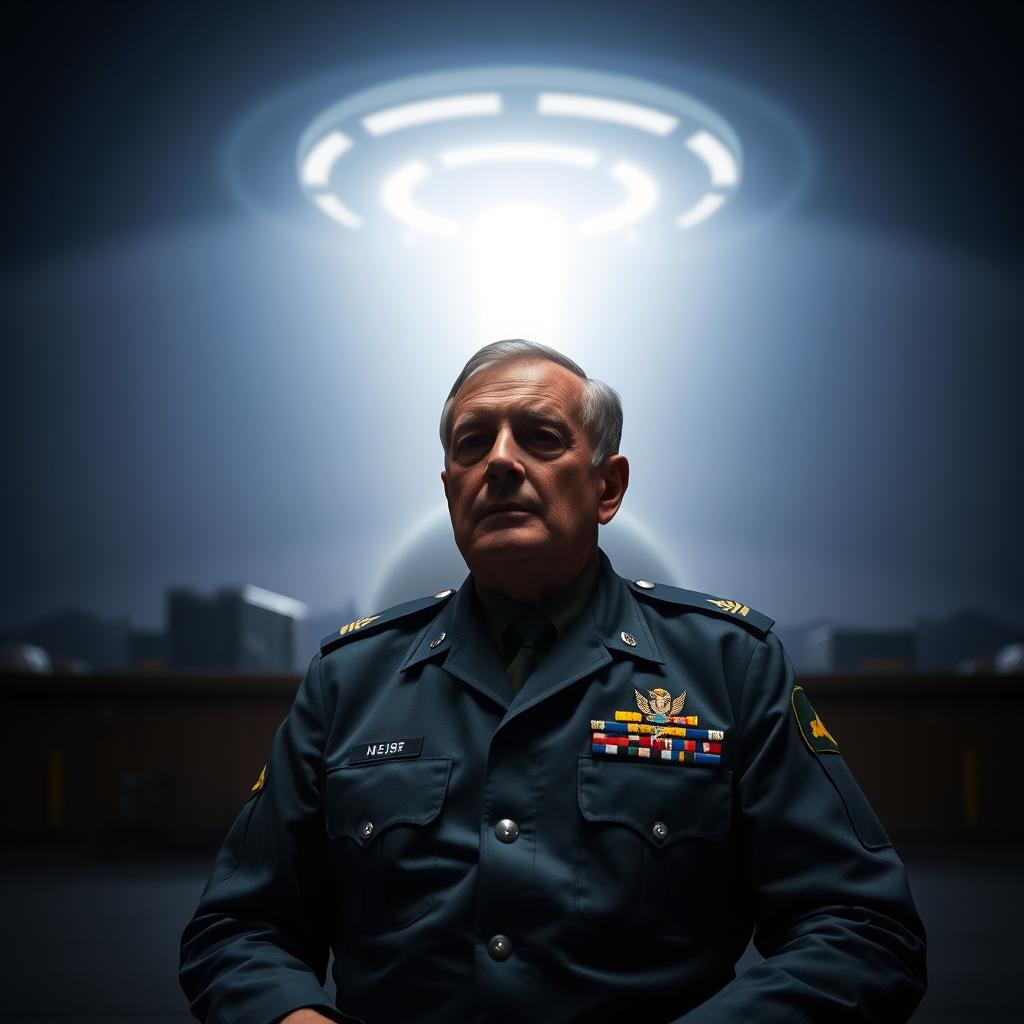
A retired Air Force intelligence colonel delivered explosive testimony to Congress this week, revealing that unidentified aerial phenomena (UAPs) have repeatedly demonstrated the capability to disable nuclear weapons systems at U.S. military installations over multiple decades. The testimony, delivered during a House Oversight Committee hearing on UAPs and national security, included references to classified briefings detailing incidents that span from the Cold War era to recent years.
The colonel, whose decades-long career included oversight of nuclear security protocols, told lawmakers that these incidents represent a clear and present danger to national security infrastructure. "These objects have shown a consistent pattern of interest in our most sensitive military capabilities," the officer testified. "The ability to remotely interfere with nuclear weapons systems demonstrates a level of technological sophistication that we must take seriously."
The testimony builds on previous disclosures about UAP encounters at nuclear facilities, including the famous 1967 incident at Malmstrom Air Force Base in Montana, where multiple nuclear missiles allegedly went offline during a UAP sighting. Committee members pressed for additional details about more recent incidents, though much of the discussion moved to classified sessions.
The hearing represents the latest effort by Congress to demand greater transparency from the Pentagon regarding UAP encounters, particularly those involving critical national security assets. The testimony has renewed calls for expanded investigation and declassification of UAP-related incidents at military installations, with several lawmakers expressing concern about potential foreign adversary capabilities or unknown technological threats.