Harvard University's prestigious observatory has secured $10 million in funding to launch an ambitious scientific initiative aimed at detecting and analyzing unidentified aerial phenomena (UAP) that may represent advanced technology of non-human origin. The Galileo Project, led by renowned astrophysicist Avi Loeb, represents one of the most serious academic efforts to systematically search for evidence of extraterrestrial intelligence through rigorous scientific methodology.
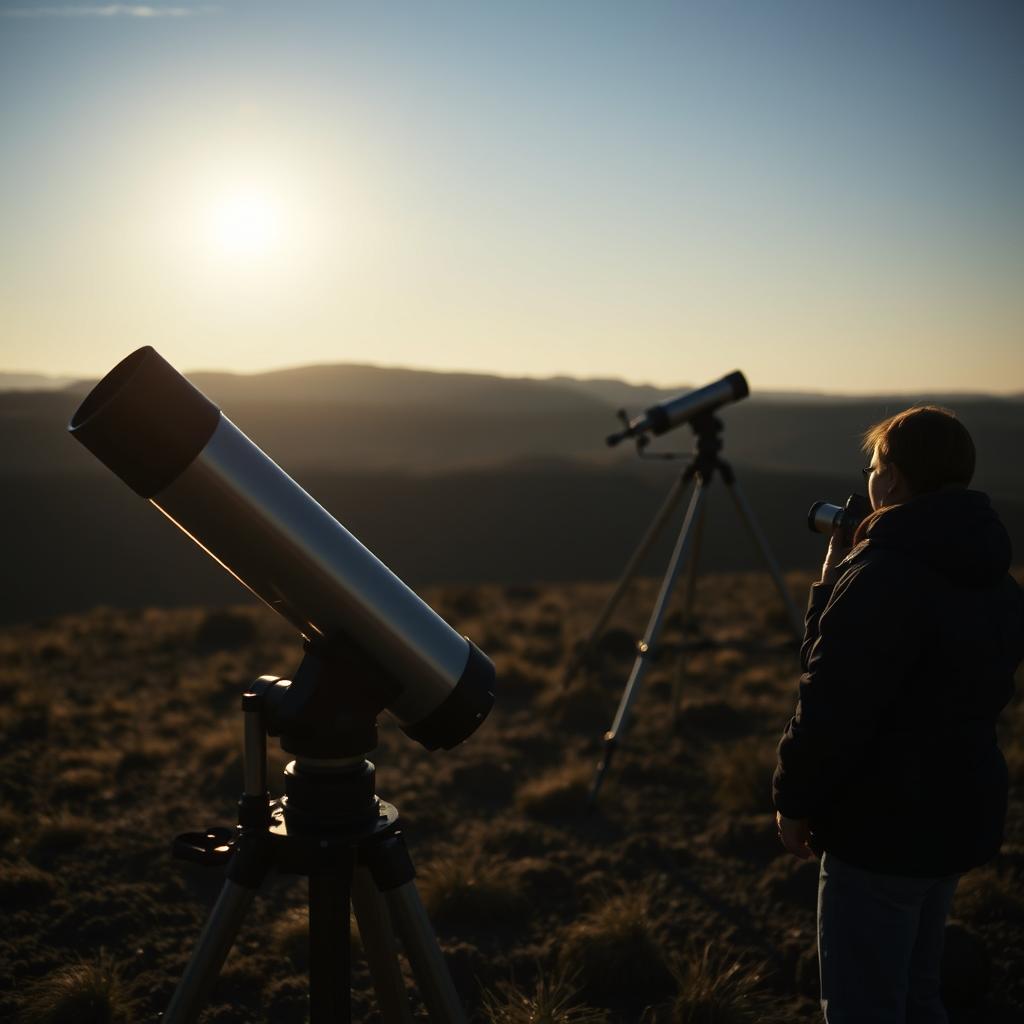
The groundbreaking project will deploy a network of sophisticated AI-powered telescopes and sensor arrays across multiple global locations, creating an unprecedented monitoring system capable of detecting, tracking, and analyzing anomalous objects in Earth's atmosphere and near-space environment. These advanced detection systems will utilize machine learning algorithms to distinguish between conventional aircraft, natural phenomena, and potentially artificial objects that exhibit characteristics beyond current human technological capabilities.
Unlike previous UAP investigations that relied primarily on eyewitness accounts and limited sensor data, the Galileo Project emphasizes transparent, peer-reviewed research with publicly available findings. The initiative aims to collect high-resolution imagery, spectroscopic data, and detailed flight pattern analysis of any detected anomalies, providing the scientific community with unprecedented empirical data about unexplained aerial phenomena.
The project's launch comes amid increased government acknowledgment of UAP encounters, including recent Pentagon reports documenting military personnel observations of objects displaying flight characteristics that appear to defy conventional physics. Harvard's systematic approach could provide crucial scientific context to these phenomena, potentially revolutionizing our understanding of technology and our place in the universe.